Building a financial safety net has become increasingly important for many households across the UK. Unexpected expenses such as car repairs, rising utility bills, emergency travel, or temporary loss of income can place pressure on finances without warning. Having emergency savings available can help reduce financial stress and improve long-term stability.
For people wondering how to build an emergency fund, choosing the right savings account is often one of the first steps. A flexible savings option that allows regular contributions and accessible withdrawals can make saving more manageable. Transave’s Regular Saver account is designed to support regular saving habits while offering flexibility for emergency situations.

What Is an Emergency Fund?
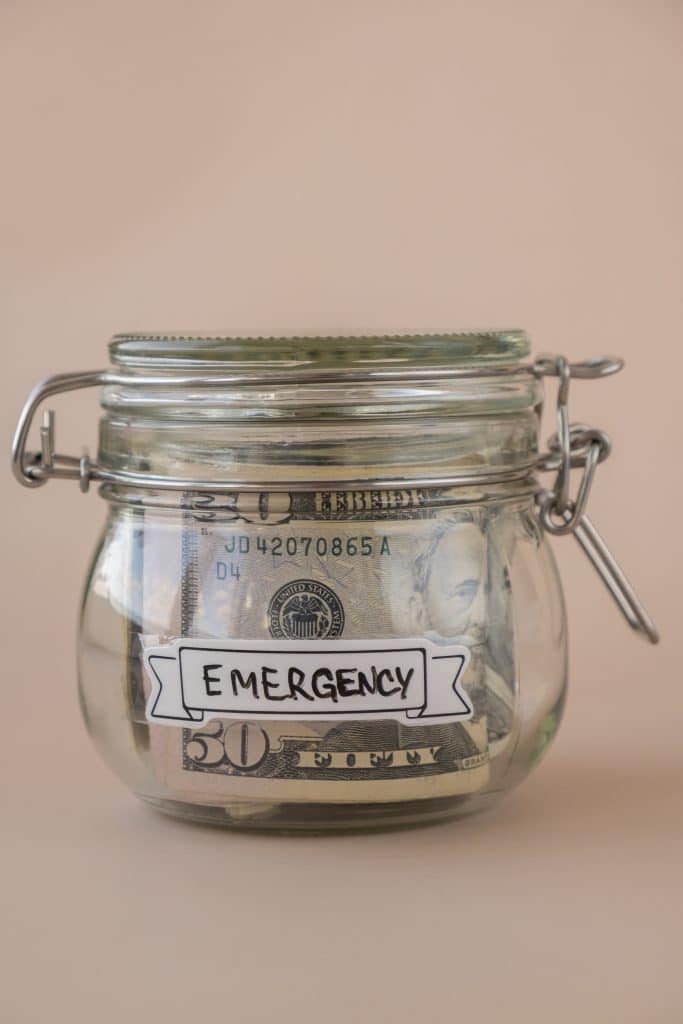
An emergency fund is money set aside specifically for unexpected expenses or financial emergencies. Sometimes called a rainy day fund or cash emergency fund, it provides financial support when unplanned costs arise.
Emergency fund savings can help cover:
- Car or home repairs
- Medical expenses
- Temporary loss of income
- Essential household costs
- Emergency travel
- Unexpected bills
Many people researching how to start an emergency fund are unsure where to begin or how much emergency savings they should have. The answer depends on individual circumstances, monthly expenses, and personal financial commitments.supporting financial wellbeing.
How Much Emergency Savings Should You Have?
A common recommendation is to save enough money to cover between three and six months of essential living costs. A 3 month emergency fund may suit some households, while others may prefer a 6 month emergency fund for additional security.
When calculating emergency fund targets, consider:
- Monthly bills
- Rent or mortgage payments
- Food and travel costs
- Insurance payments
- Family responsibilities
- Employment stability
For example, if essential monthly expenses total £1,500, a recommended emergency fund could range between £4,500 and £9,000.
People often search:
- how much emergency fund should i have
- how much should an emergency fund be
- how much should you have in an emergency fund
- what should my emergency fund be
There is no single figure that suits everyone. Building an emergency fund gradually through regular savings can often be more realistic and sustainable than trying to save large amounts at once.
Why Flexible Savings Matter for Emergency Funds
One of the most important features of an emergency savings account is accessibility. Emergency funds are designed to help during unexpected situations, so savers usually need quick access to their money when required.
Some savings products restrict withdrawals or apply penalties for accessing funds early. While these accounts may suit long-term saving goals, they are not always ideal for emergency savings.
A flexible emergency fund should allow savers to:
- Access money when needed
- Make regular deposits
- Continue saving consistently
- Adjust contributions over time
This is why many people look for easy access emergency savings options or the best savings account for emergency fund purposes. Flexibility can make a significant difference when unexpected expenses occur.s.
How Transave’s Regular Saver Account Supports Emergency Savings
Transave’s Regular Saver account can help individuals build emergency fund savings gradually through consistent contributions while still maintaining access to their money.
The account supports regular saving habits by allowing members to save through:
- Payroll deductions
- Direct debit payments
- Manual contributions
For many savers, automating deposits through a payroll savings account or direct debit savings account makes saving easier to maintain over time. Small contributions made consistently can gradually build a financial safety net without requiring major lifestyle changes.
An important benefit for emergency fund savings is flexibility. Having access to savings without penalties can help users respond to urgent financial situations more comfortably. This can make the account suitable for people looking for:
- savings without penalties
- withdraw savings anytime options
- no penalty withdrawals savings account features
- accessible savings account UK solutions
Rather than locking funds away for long periods, flexible savings options can provide reassurance that money remains available if needed.


The Benefits of Payroll and Direct Debit Savings
Saving regularly is often easier when contributions happen automatically. Payroll and direct debit options can help reduce the temptation to skip savings contributions or spend money elsewhere.
A payroll savings account allows savings to be transferred directly from wages before money reaches a current account. Some people find this helps build savings more consistently because contributions become part of their monthly routine.
Similarly, a direct debit savings account can automate transfers from a bank account into savings each month. Regular contributions, even smaller amounts, can gradually build emergency savings over time.
People researching:
- savings by direct debit
- direct debit on savings account
- set up direct debit to savings account
- savings accounts accepting direct debits
are often looking for simple ways to improve consistency and maintain long-term saving habits.are saving weekly or monthly, Transave makes it simple to manage your contributions and track your progress.
Building an Emergency Fund Gradually
Some people delay building an emergency fund because the target amount feels too large. However, emergency savings do not need to be built immediately to provide value.
Even modest savings can help reduce reliance on borrowing during emergencies. Starting small and building gradually is often the best way to save for emergency fund goals.
Helpful approaches include:
- Setting realistic monthly targets
- Saving automatically through payroll or direct debit
- Using spare income from overtime or bonuses
- Reducing unnecessary spending temporarily
- Prioritising consistency over large deposits
People searching for how to build an emergency fund fast or how to save emergency fund quickly are often looking for practical strategies that fit within everyday budgets.
Regular contributions of £25, £50, or £100 per month can build meaningful savings over time while encouraging positive financial habits.

Where Should You Keep an Emergency Fund?
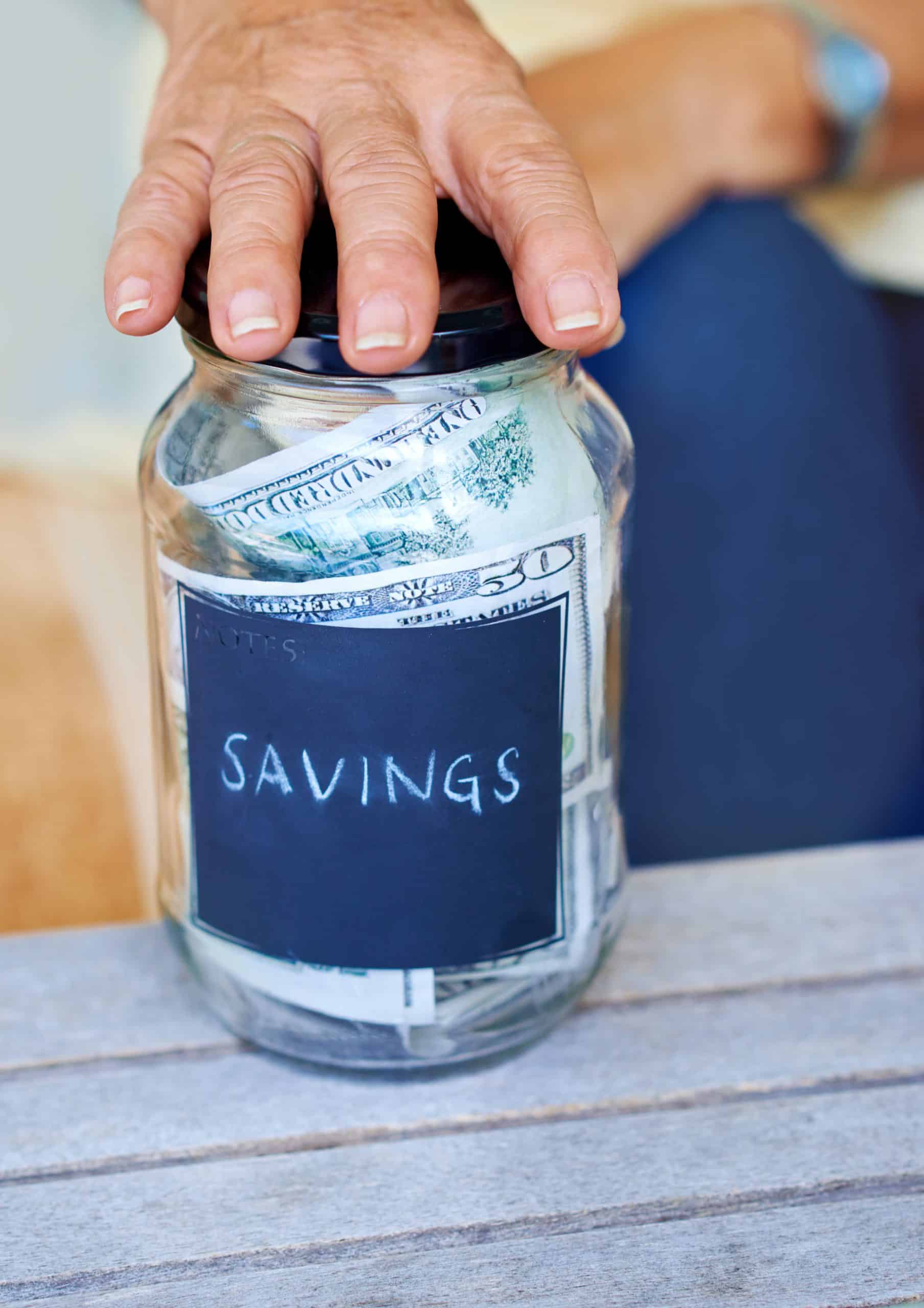
Accessibility is one of the most important factors when deciding where to keep emergency fund savings. Emergency funds are designed for short-notice situations, so savers generally need quick and reliable access to their money.
People often ask:
- where to keep emergency fund
- where should i keep my emergency fund
- where to put emergency fund money
- where to save emergency fund
Accounts designed for regular savings and easy access can offer a balance between accessibility and structured saving.
While long-term investment products may suit future financial planning goals, emergency savings are usually intended to remain stable and accessible rather than exposed to significant risk.
Emergency Funds and Financial Confidence
Building emergency savings is not only about preparing for unexpected expenses. It can also support greater financial confidence and reduce stress around day-to-day money management.
Having a financial safety net may help individuals:
- Feel more prepared for emergencies
- Avoid relying on high-interest borrowing
- Improve budgeting habits
- Build long-term financial resilience
Even relatively small emergency savings can provide reassurance during uncertain periods.
For many households, building emergency fund savings is one of the most important steps toward stronger financial wellbeing.


How Long Does It Take to Build an Emergency Fund?
The time required depends on savings goals, income, and contribution levels. Some people may build a 3 month emergency fund relatively quickly, while others may take longer to reach a 6 month emergency fund target.
For example:
- Saving £100 per month creates £1,200 in one year
- Saving £250 per month creates £3,000 in one year
The most important factor is consistency. Regular contributions through payroll savings or direct debit can gradually build savings while fitting around everyday financial commitments.
People researching:
- how long does it take to build an emergency fund
- how to grow your emergency fund
- how to build your emergency fund
are often looking for manageable and realistic approaches rather than overnight solutions.
Conclusion
Emergency savings can play an important role in protecting financial wellbeing and preparing for unexpected costs. Whether covering urgent repairs, temporary income changes, or unplanned expenses, having accessible savings available can provide valuable peace of mind.
Transave’s Regular Saver account supports building an emergency fund through flexible savings options, payroll and direct debit contributions, and accessible withdrawals without penalties. For people looking to build regular saving habits while maintaining access to emergency funds, flexible savings solutions can help create a stronger financial safety net over time.